


The Penelopiad
A ritual memory space for The Penelopiad, where Penelope and the maids testify within the same visual architecture, balancing epic framing with intimate address.
- Year
- 2020
- Company
- University of California Irvine
- Project
- Drama
- Location
- Irvine, CA


The Penelopiad became a layered memory space where testimony, ritual, and counter-narrative could coexist. At UC Irvine, the scenic design avoided reconstructing ancient Greece and instead framed the stage as a world of witness.
A major concern was chorus visibility. The composition needed to support group presence without flattening the action, so open geometry and layered levels allowed the world to expand into epic framing or compress into intimate address.
The material language balanced austerity with symbolic texture. The design gave Penelope and the maids a shared architecture while making the imbalance of power, authorship, and inherited myth visible.


Creative team
- Playwright
- Margaret Atwood
- Composer
- Luke Shepherd
- Director
- Sara Rodriguez
- Scenic Designer
- Brandon PT Davis
- Costume Designer
- Sarah Monaghan
- Lighting Designer
- Avery Reagan
- Sound Designer
- Jack Bueermann
- Projection Design
- Merle DeWitt III
Links


Million Dollar Quartet

The Merry Wives of Windsor Cove
The Glass Menagerie
Bell, Book, and Candle

Head Over Heels

Romeo & Juliet

Much Ado About Nothing

¡LOTERIA: GAME ON!

A Funny Thing Happened on the Way to the Forum

Romero
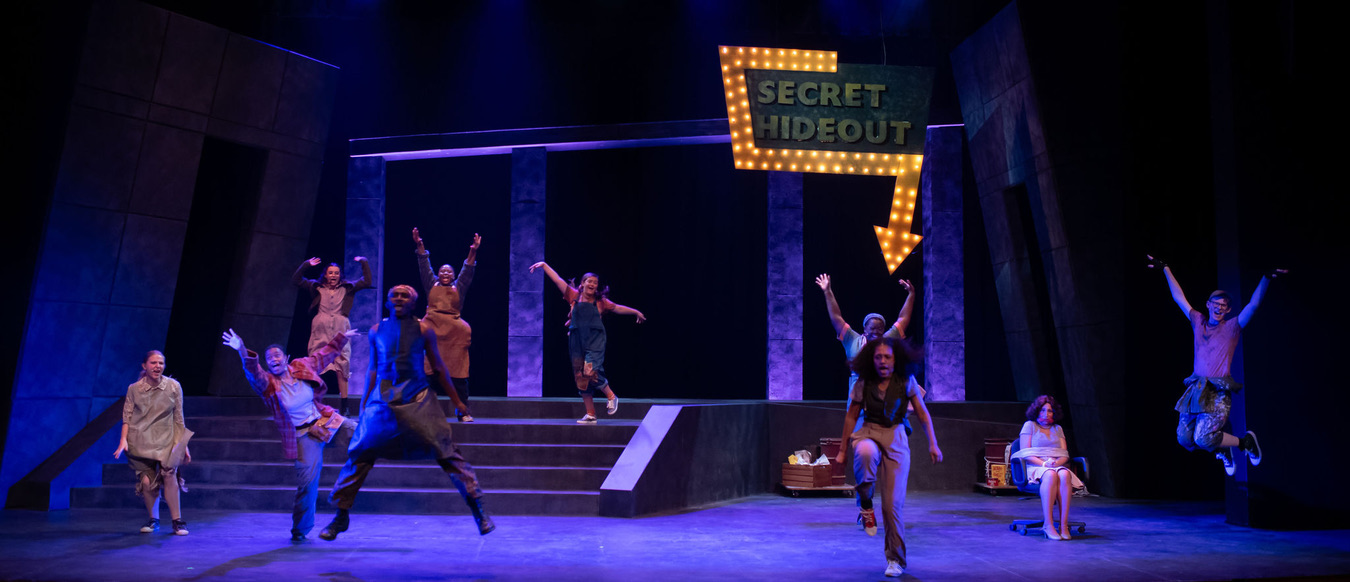
Urinetown

An Inspector Calls

All's Well That Ends Well

Little Shop of Horrors
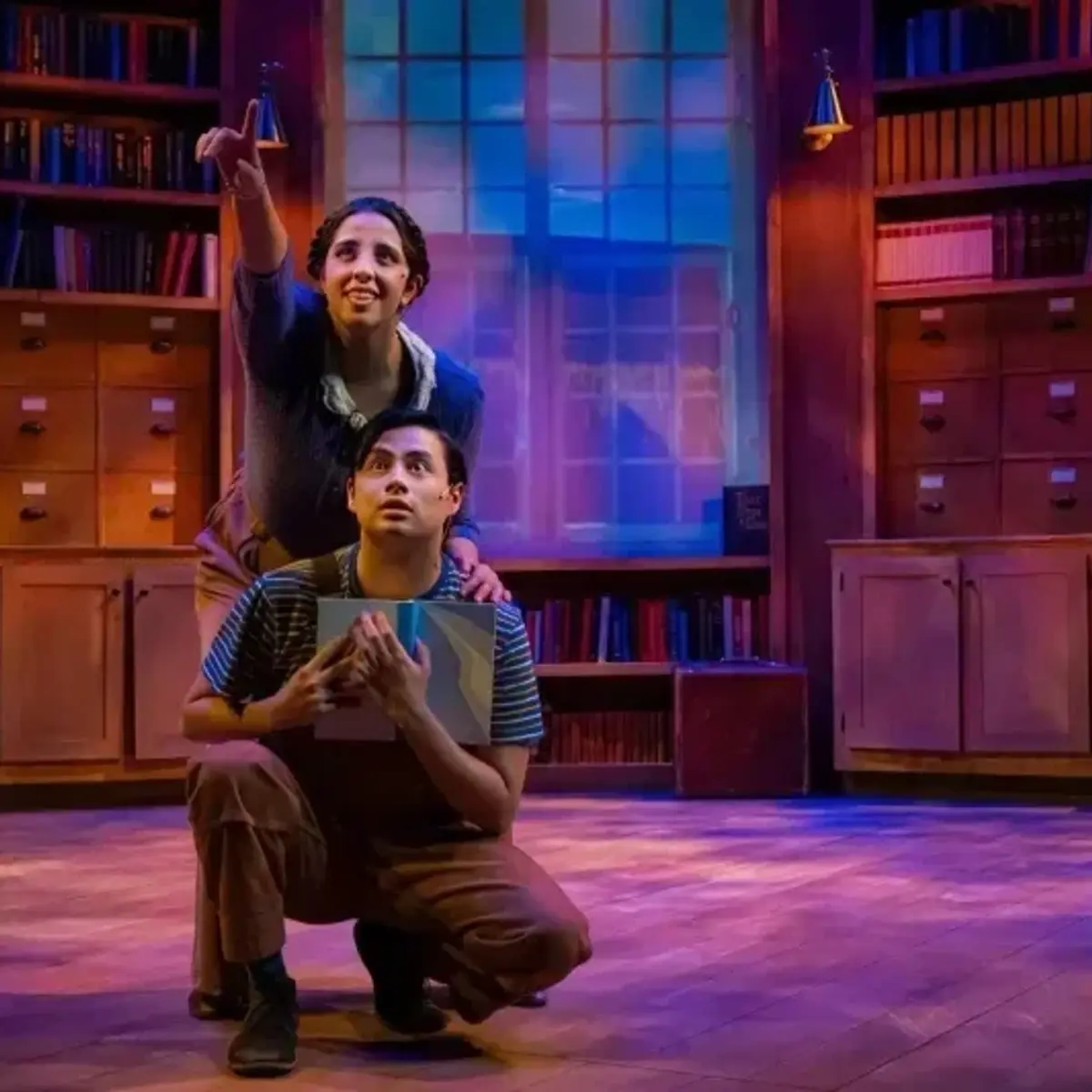
Tomás and the Library Lady
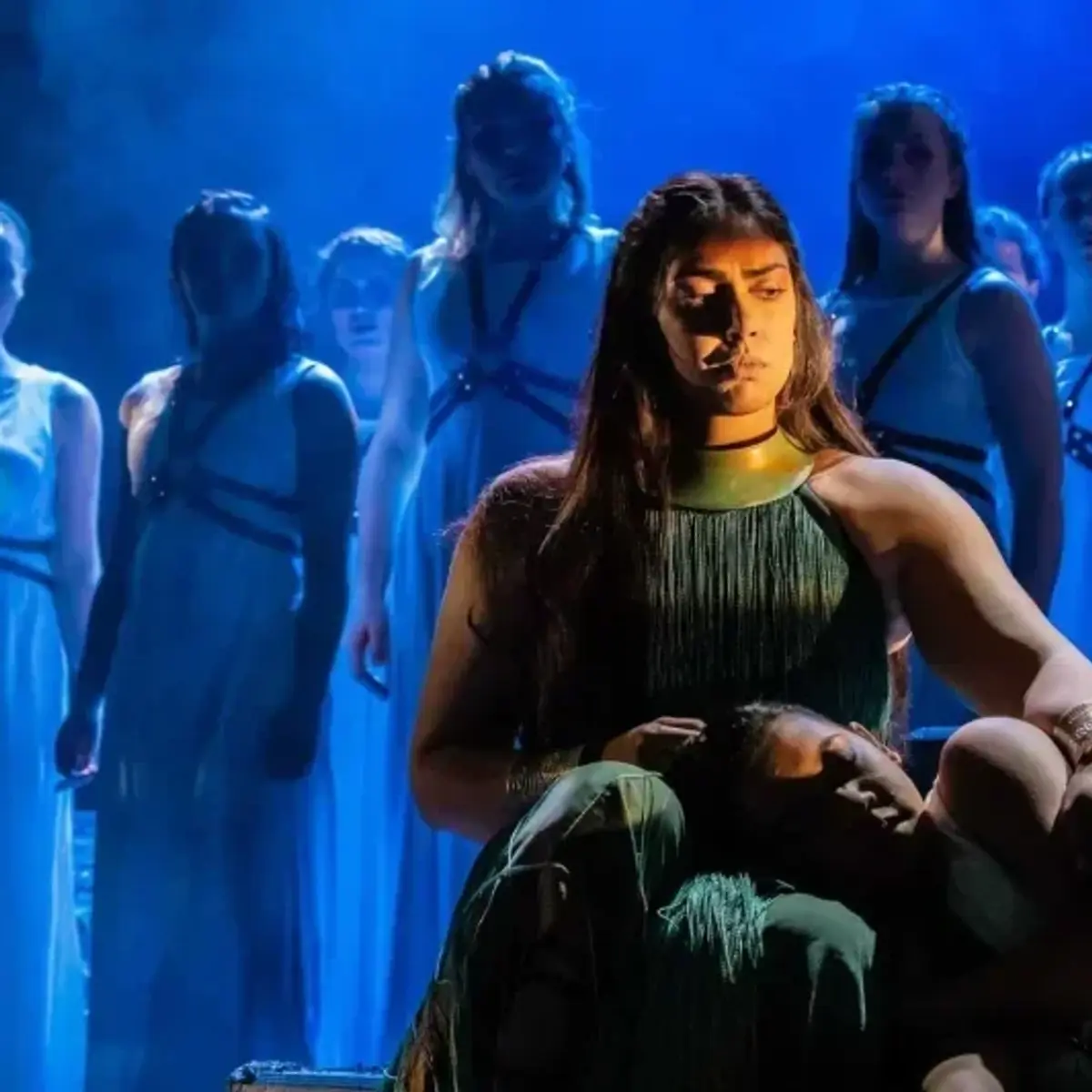
The Penelopiad

Company

American Idiot

Parliament Square

An Enemy of the People

The 25th Annual Putnam County Spelling Bee

Boeing, Boeing

The Bald Soprano

Vanya and Sonia and Masha and Spike

The Man of La Mancha

Dial “M” for Murder

All My Sons

Last Train to Nibroc

Rich Girl
